Why Is Anime Slayer Not on Google Play?
If you search for Anime Slayer on Google Play, you will not find it. That surprises many people, because the app is well known among anime fans, and most popular apps are available in the store. The absence is not a mistake, and it does not necessarily mean the app is broken or has been shut down. It usually comes down to how Google Play decides what can be listed, and whether an app meets those rules.
This guide explains, in general terms, why an app like Anime Slayer may not appear on Google Play. It does not quote a statement from Google about this app, because no such statement has been verified for this guide, and it does not claim to know the exact reason in this particular case. Instead, it explains the store policies that commonly affect apps of this kind, so you can understand the situation and make safer choices. This is an independent, unofficial guide site, not the official Anime Slayer website.
Google Play is a curated store, not an open directory
Google Play is not a simple list of every Android app that exists. It is a curated store with rules about content, copyright, safety, privacy and payments. Developers who want to list an app must create a developer account, agree to the store policies, submit the app for review, and keep it within those policies after publication. Google can reject an app during review, remove it later if a policy problem is found, or limit where it appears.
That means absence from the store can have several different explanations. An app may never have been submitted. It may have been submitted and rejected. It may have been listed and later removed. Or the developer may have chosen not to use the store at all. From the outside, all of these look the same: the app simply does not appear in search results. Without a verified statement from Google or the developer, you cannot tell which explanation applies, and you should be careful about anyone who claims to know for certain.
Copyright and licensing are often the main issue
For apps that provide access to video content, copyright and licensing are usually the first questions a store reviewer will ask. Google Play has policies against apps that make copyrighted material available without permission, or that help users access such material. An app does not need to host the videos itself to raise this question. Linking to, indexing, or streaming content that belongs to someone else can be enough for a store to ask for proof of a licence.
Anime is a licensed industry. Studios, publishers and streaming services pay for the right to distribute shows in particular countries, often with exclusive agreements. An app that offers a large catalogue of anime without showing any licensing information, partner names, or rights holder details is likely to face difficult questions during a store review. The reviewer may ask for documents, or may reject the app until the licensing position is clear.
This is a general explanation of how store policy works. It is not a legal judgement about Anime Slayer, and it is not a claim that any particular episode or series is unlicensed. The point is simpler: when an app offers a lot of copyrighted content and provides no visible licensing information, store listing becomes much harder.
Privacy, permissions and data handling matter too
Modern store reviews also look closely at privacy. An app must explain what personal data it collects, why it collects it, and who it shares it with. It must provide a privacy policy, and it must request only the permissions it genuinely needs. Apps that collect more data than necessary, or that are unclear about how data is used, can be rejected or removed.
Advertising is part of the same picture. Google Play has rules about how adverts are shown, especially adverts that interrupt the user, appear outside the app, or mislead people into tapping them. An app that relies heavily on advertising, or that uses aggressive advertising formats, may face extra scrutiny. The store also has rules about in-app purchases and subscriptions, including how prices are shown and how cancellations work. An app that handles payments outside the store system, or that is unclear about charges, can also run into problems.
What absence from Google Play does and does not mean
It is worth being clear about what you can and cannot conclude from the fact that Anime Slayer is not on Google Play:
- It does not prove the app is unsafe, and it does not prove the app is safe. Store listing is not a safety certificate.
- It does not prove the app was banned. It may never have been submitted, or the developer may have chosen another route.
- It does not mean the app has stopped working. Apps outside the store can still work, and apps inside the store can still stop working.
- It does mean you lose the protections that come with the store, such as automatic updates, store reviews, and a single place to check the developer and version.
- It does mean you need to be more careful about where you get the app, because there is no official store page to check against.
Understanding these limits helps you avoid two opposite mistakes: assuming that anything outside the store must be dangerous, and assuming that a popular app must be fine because many people use it. Popularity is not proof of safety, and absence from a store is not proof of danger.
How to stay safe without a store listing
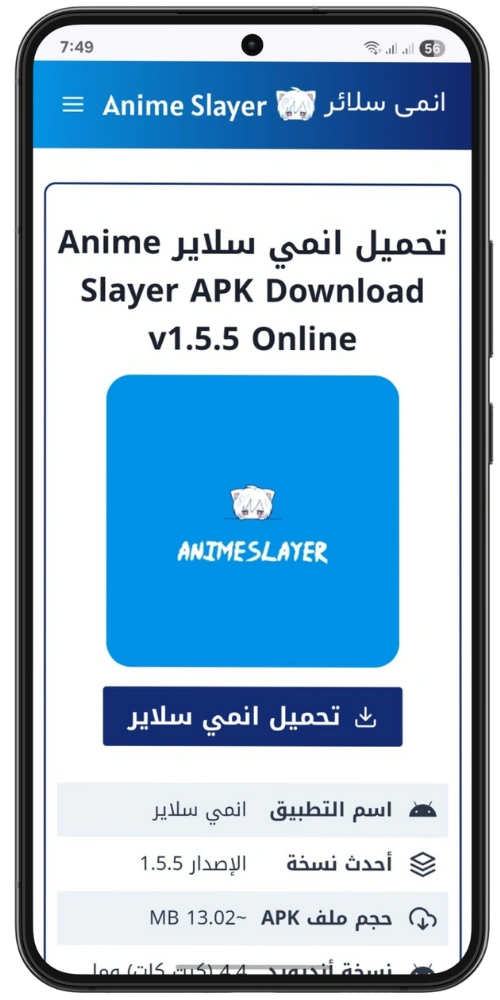
Because there is no Google Play page to rely on, you need to do more of the checking yourself. Start by reading our guide to identifying the original app and our guide to source safety. Check the app name and developer carefully, compare the listing with information from independent sources, and be wary of pages that rush you or use misleading download buttons.
Be especially careful with websites that claim to be the official Google Play page, or that show a fake Play Store button. A real Play Store listing opens inside the Play Store app or on the official Google Play website, with a Google web address. A page that looks like the store but has a different address, or that downloads a file directly instead of opening the store, is not the store.
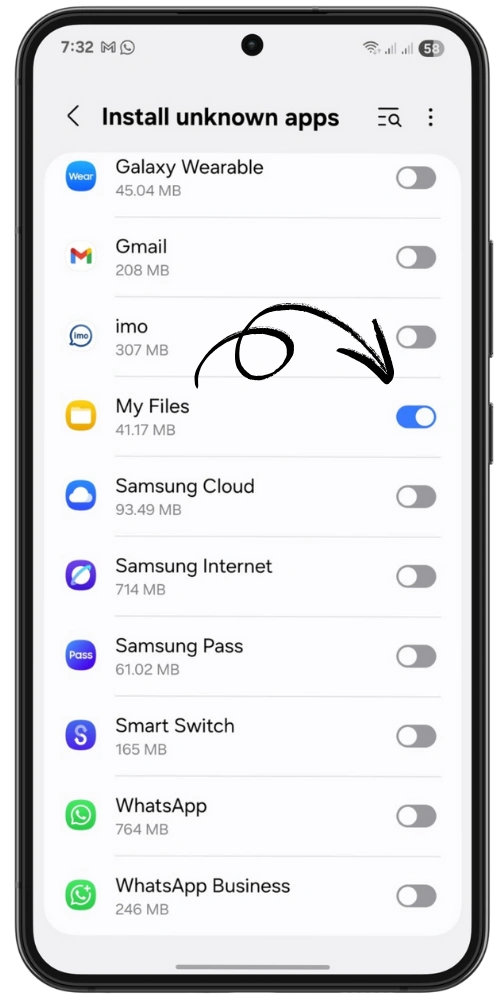
Also keep your device settings in mind. Android normally blocks installation from unknown sources, and you should think carefully before changing that setting. If you do install an app from outside the store, review its permissions first, keep your device updated, and remove the app if it behaves in unexpected ways, such as showing adverts outside the app or asking for unrelated permissions.
Alternatives that are on Google Play
If you prefer the safety and convenience of a store-listed app, there are legal anime streaming services available on Google Play, with clear licensing, age ratings and payment terms. These services usually require a subscription, and their catalogues vary by country, but they offer automatic updates, customer support, and a clear account system. Our alternatives guide compares the options in general terms and explains what to look for when choosing one.
Choosing a store-listed service does not mean giving up on Anime Slayer entirely. Some people use a legal service for most of their watching and keep other apps only for shows they cannot find elsewhere. Whatever you choose, the decision should be based on clear information about licensing, cost and safety, not on a single download button.
Final thoughts
Anime Slayer is not on Google Play, and the exact reason has not been verified in a public statement that this guide can cite. What is clear is that Google Play applies rules on copyright, content, privacy, advertising and payments, and that apps offering a large catalogue of video content face more questions than most. It is also clear that absence from the store can have several explanations, from a rejected submission to a deliberate choice by the developer.